
Materials
Linen or cotton: which is better for bedding?
Linen or cotton? We compare feel, warmth, durability and care, and we are honest about linen's drawbacks too.
Pellava, Helsinki · · 7 min
Linen and cotton are both natural fibres, and both make good sheets. They feel and behave differently, though, and many people notice the difference on the first night. In this guide we compare them on the things that matter when you sleep: feel, warmth, durability, care and price. We also cover linen's drawbacks, because it doesn't suit everyone.
The difference in short
Linen breathes better, moves moisture more effectively and lasts longer. It creases and feels slightly rough at first. Cotton is smoother and softer straight away, and its surface stays more even. Cotton can be woven into two very different fabrics: crisp percale and smooth sateen. If you sleep hot or sweat, linen is usually the better choice. If you like a smooth, neat surface, cotton suits you better.
Feel
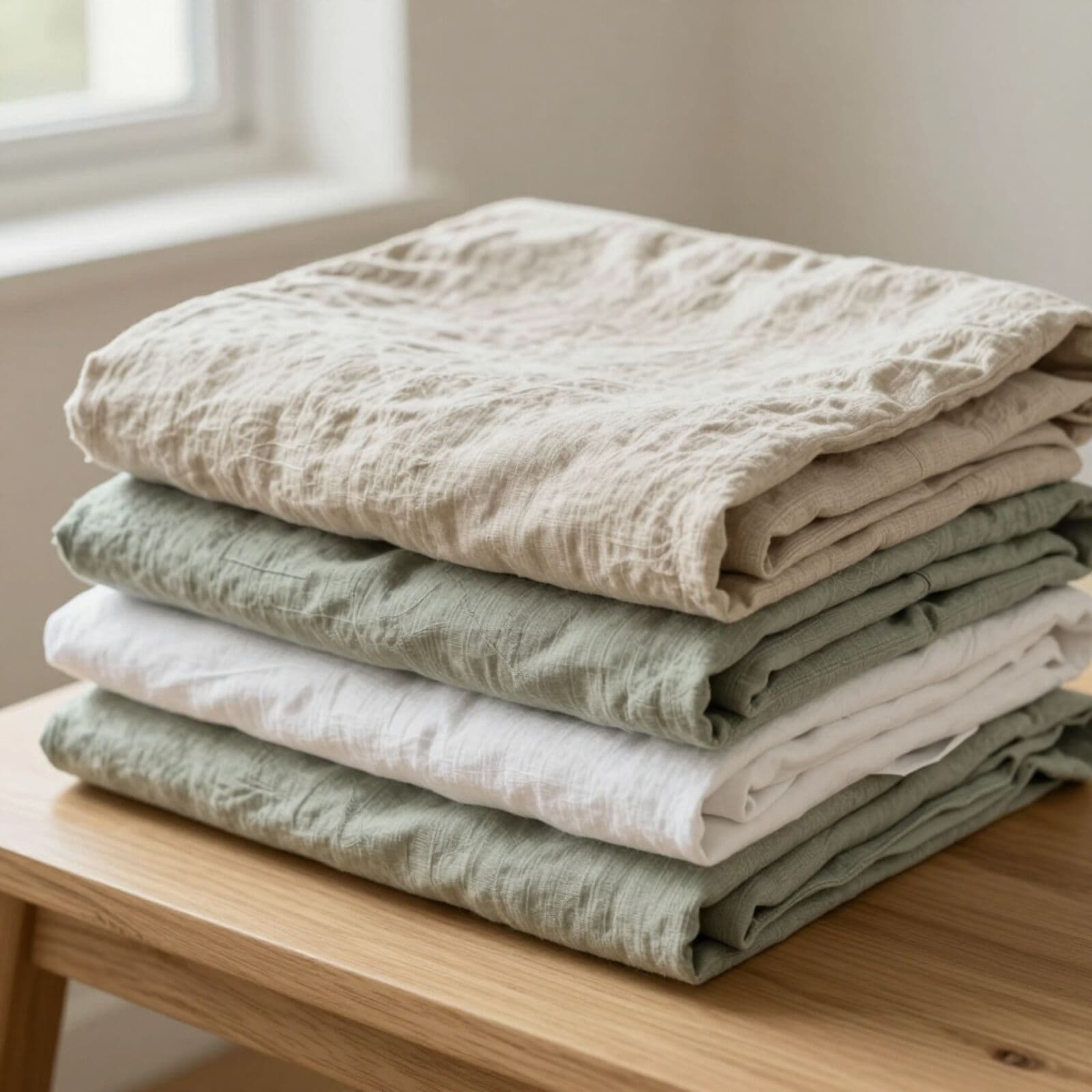
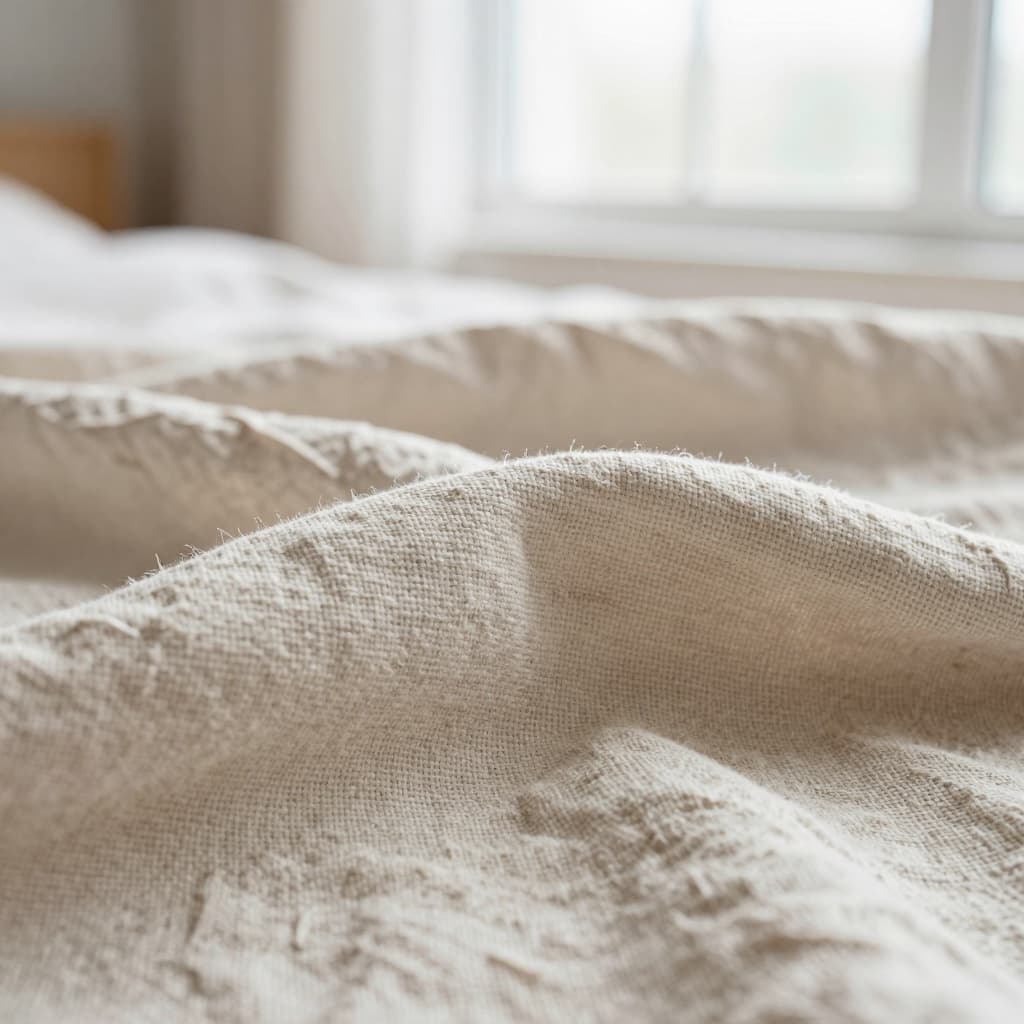
Washed linen has a lively feel against the skin. The fabric has a slight texture and feels a little rougher than cotton, but it doesn't scratch. Stone-washed linen is soft even when new, and it softens further with every wash. Many linen users say their sheets feel best after a few years of use.
The feel of cotton depends on the weave. Percale is a tight plain weave that feels cool and crisp, a bit like a well-ironed shirt. Sateen is smooth and slippery and feels warm. Both are soft straight out of the package, and their feel doesn't change with use as much as linen's does.
Warmth and moisture
Linen's biggest advantage is how it moves moisture. The fibre absorbs moisture and releases it quickly into the air, so the sheet doesn't feel clammy even if you sweat. That is why linen feels cool in summer. In winter the same property evens out temperature, and linen feels pleasant in a cold bedroom too.
Cotton absorbs moisture well but releases it more slowly. Percale lets air through and is therefore the coolest of the cotton fabrics. Sateen is denser and feels warmer. If you feel cold at night, sateen may suit you better than linen.
Durability and lifespan
The linen fibre is long and strong, and it is even stronger wet than dry. A well-cared-for linen sheet easily lasts ten years. Worn linen gradually becomes thinner and softer at the same time. A good cotton sheet also lasts for years, especially long-staple combed cotton, but short-staple cotton pills and thins faster. Percale withstands abrasion better than sateen, because its weave is tighter.
Care and ironing
Washed linen is washed at 40 degrees and can take 60 degrees when needed. You don't need fabric softener, because it reduces linen's ability to move moisture. Linen doesn't need ironing, because the creases are part of its look. Cotton sheets are washed at 60 degrees. Percale creases in the wash, so iron it or press it while damp if you want a smooth surface. Sateen creases less and looks neat without ironing.
Price per use
Linen sheets usually cost more than cotton sheets, because growing flax, separating the fibre and weaving take more work. It is worth comparing the price with the years of use, though. If a linen sheet lasts ten years and a cheap cotton sheet three, the difference per use is smaller than the price tag suggests. A good cotton sheet is also long-lasting, so the most important thing is to choose a quality that lasts.
Environment
In Europe flax is usually grown on rainwater alone without irrigation, and it needs fewer pesticides than cotton. Cotton needs a lot of water to grow, and conventional farming uses pesticides. Organic cotton farming uses no synthetic pesticides. Our percale and sateen are GOTS-certified organic cotton, and all our products carry the OEKO-TEX Standard 100 certificate. A long lifespan also helps the environment, whatever the material.
Linen's drawbacks
Linen creases. If you want a bed that always looks smooth, linen is not for you. Ironing helps for a while, but the creases come back on the first night. Linen also feels rougher than cotton at first, and some people never get used to it. The third thing is the price, which is higher than ordinary cotton. And because linen is dense and heavier than cotton, it dries a little more slowly on the line.
Which one for you?
If you sleep hot, sweat at night or want sheets that don't need ironing, choose washed linen. If you like a crisp, cool hotel sheet and don't mind ironing, choose percale. If you feel the cold easily or like a smooth surface, choose sateen.
You can also combine materials. Many people use a linen fitted sheet, which moves moisture away all night, with a sateen duvet cover, which feels warm. If you want to touch the fabrics before you decide, order up to five fabric samples free of charge.
Frequently asked questions
Which is cooler, linen or cotton? Linen, because it moves moisture faster. The coolest cotton fabric is percale. Does linen shrink more than cotton? Unwashed linen shrinks, but washed linen is pre-shrunk before sewing, so the measurements stay the same.
Is linen suitable for sensitive skin? Linen is a natural fibre, and OEKO-TEX Standard 100 certified fabric is tested for harmful substances. If your skin is very sensitive to a rough surface, sateen may feel more comfortable at first. Does linen get softer over time? It does, and the difference is clear within the first few months.
Products from this article
 New
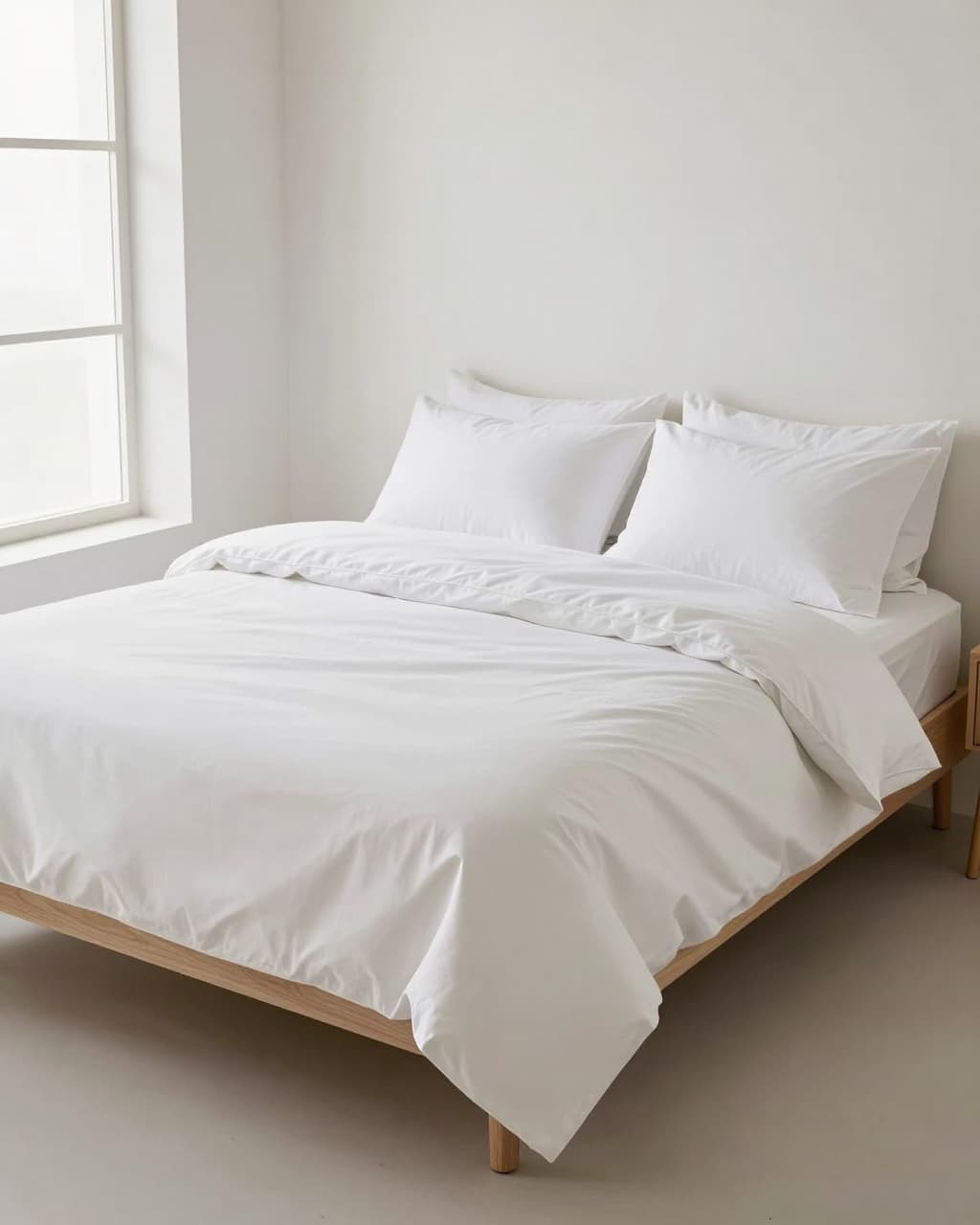
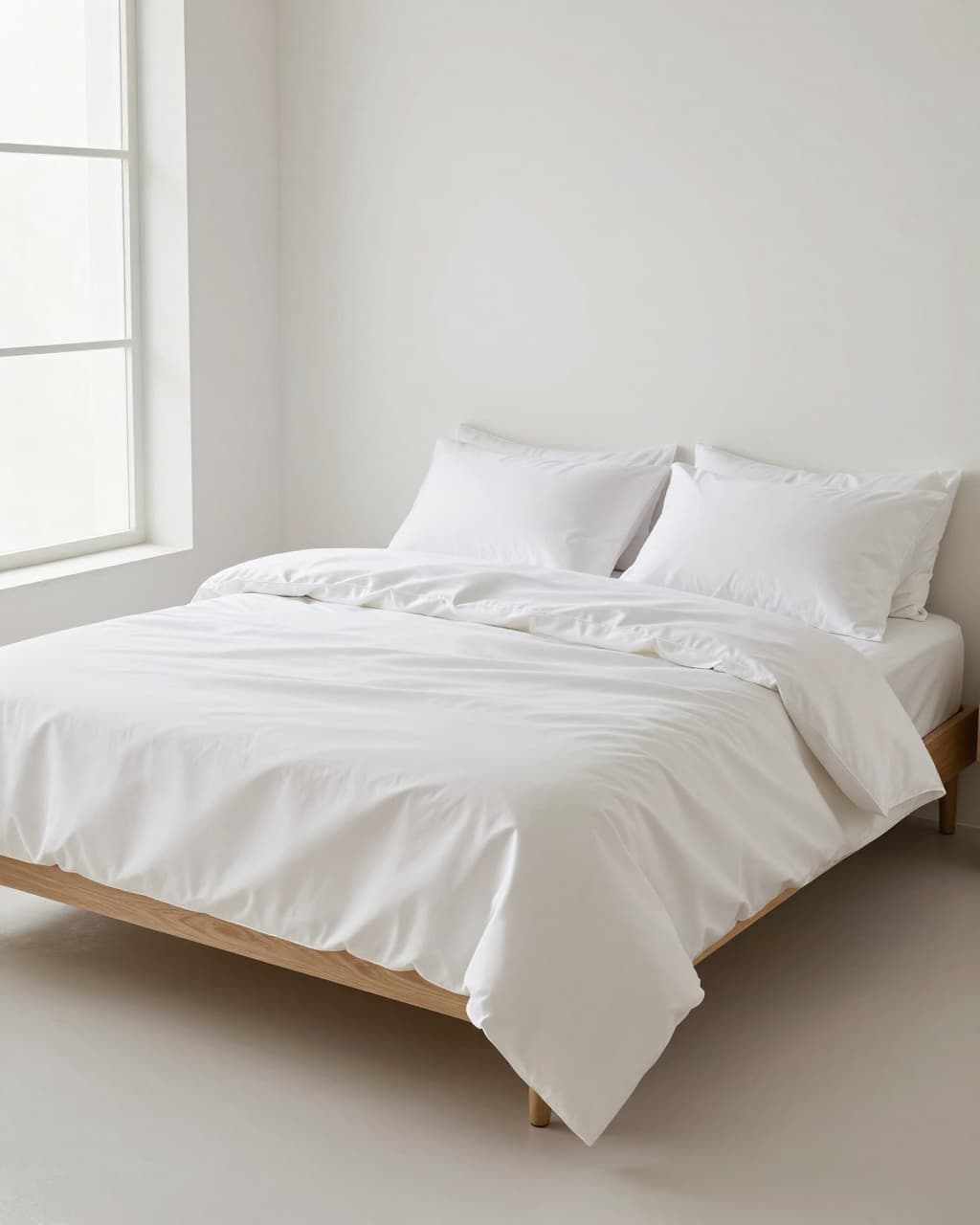
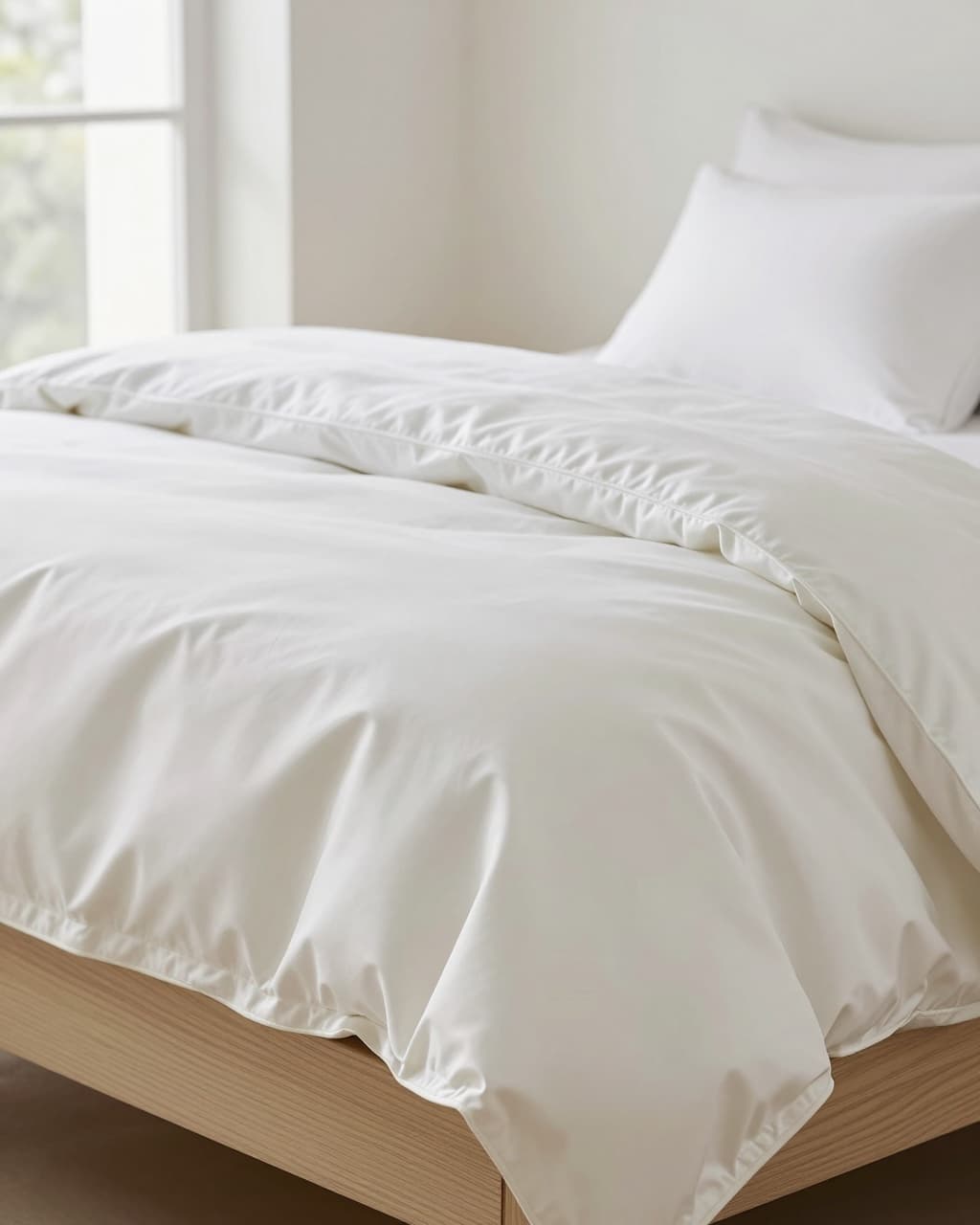
Percale bedding set
Percale 300 · 3 colours
from €89.00
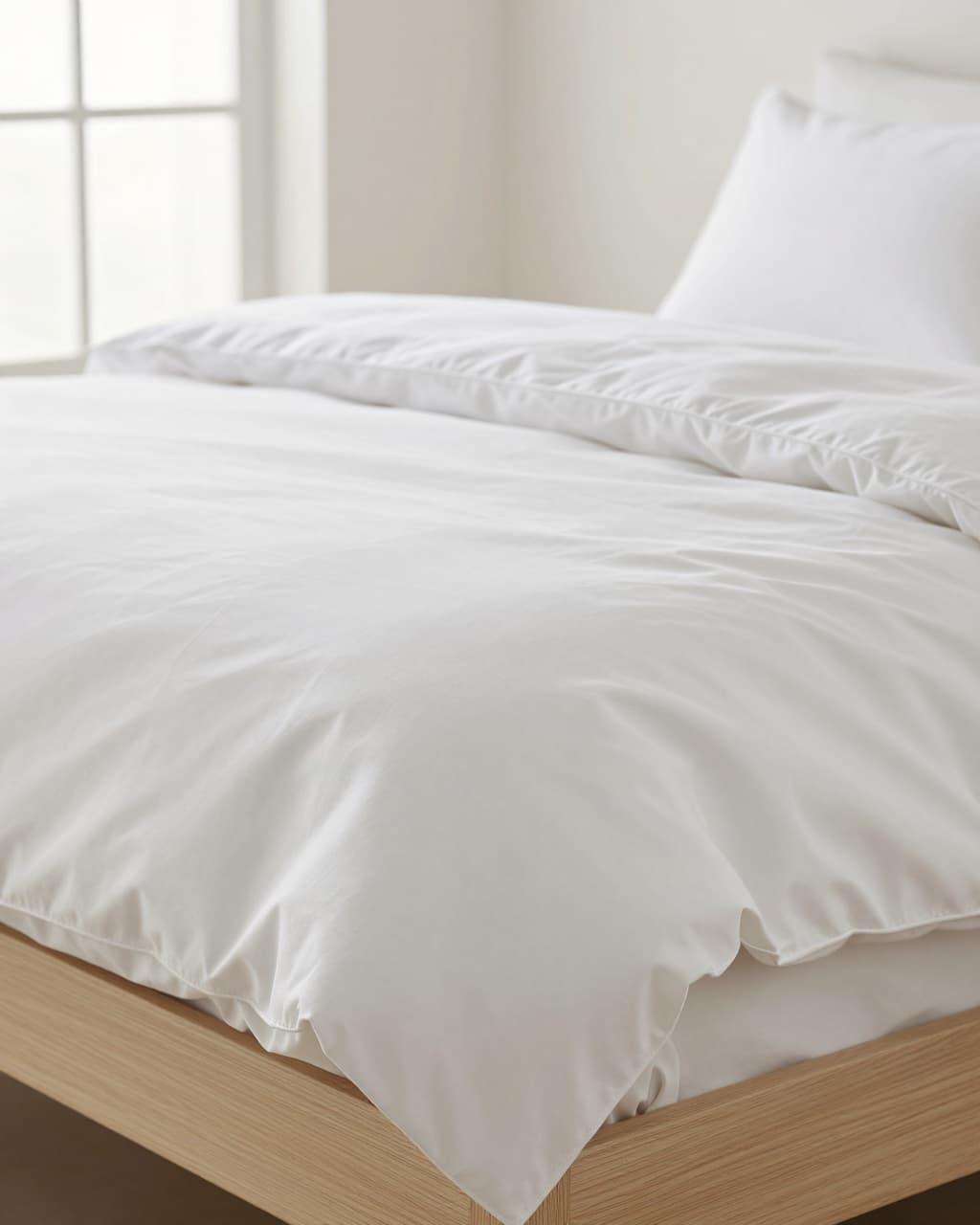
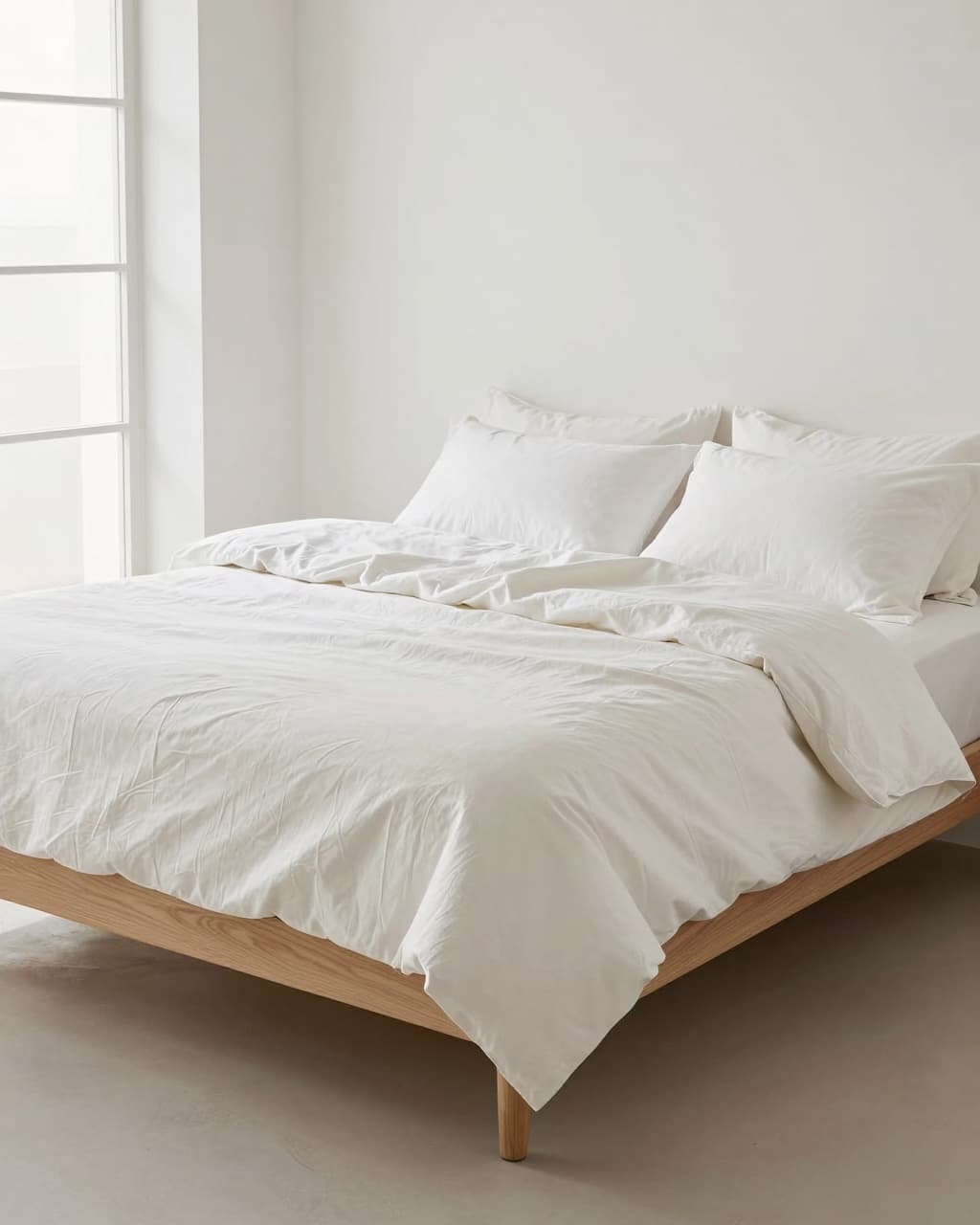
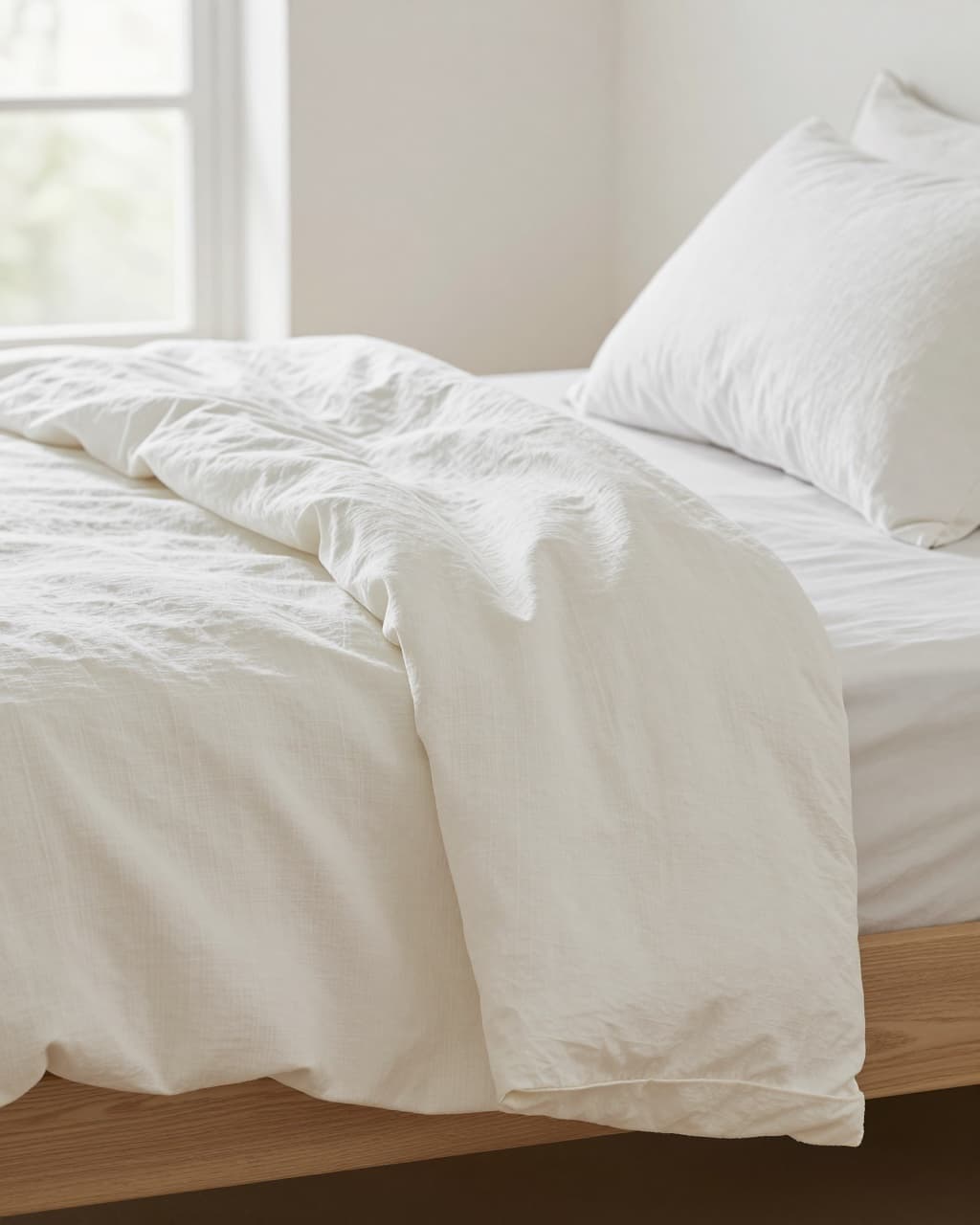
Sateen bedding set
Sateen 400 · 3 colours
from €99.00
 Set
Washed linen bedding set
Duvet cover + 2 pillowcases
from €149.00