 Favourite
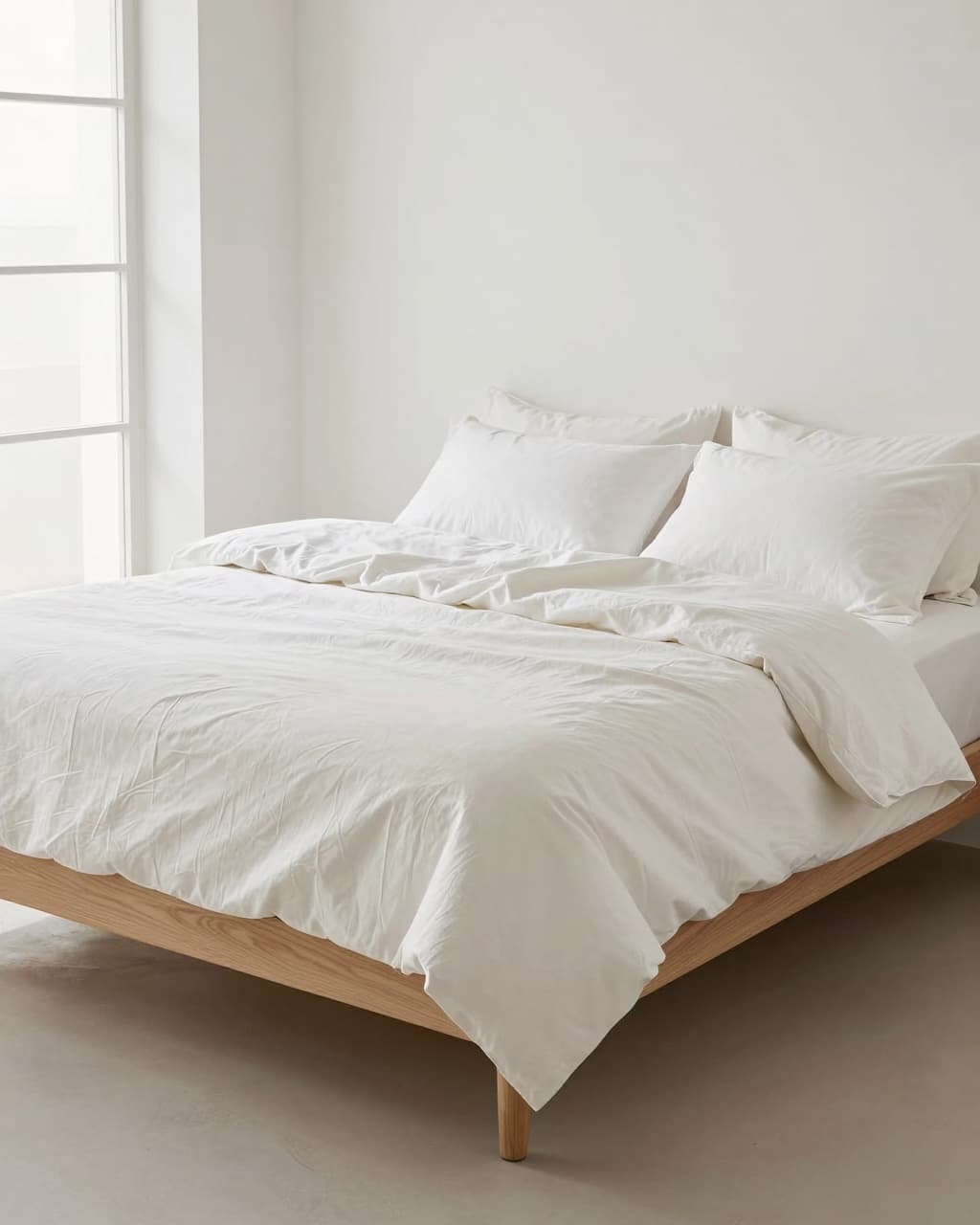
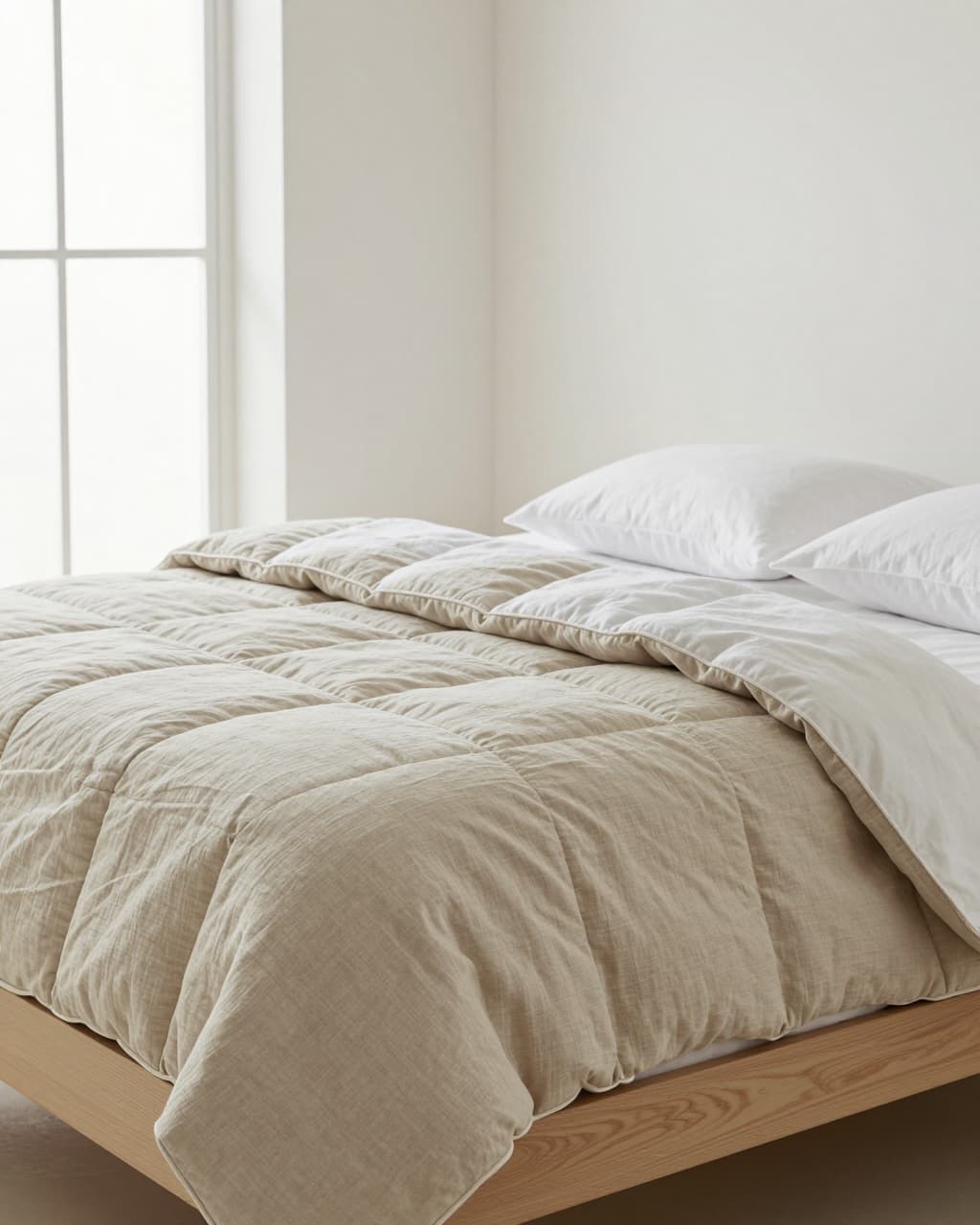
Washed linen duvet cover
Washed linen · 8 colours
from €119.00
Free delivery over €80
Relaxed, cool, textured
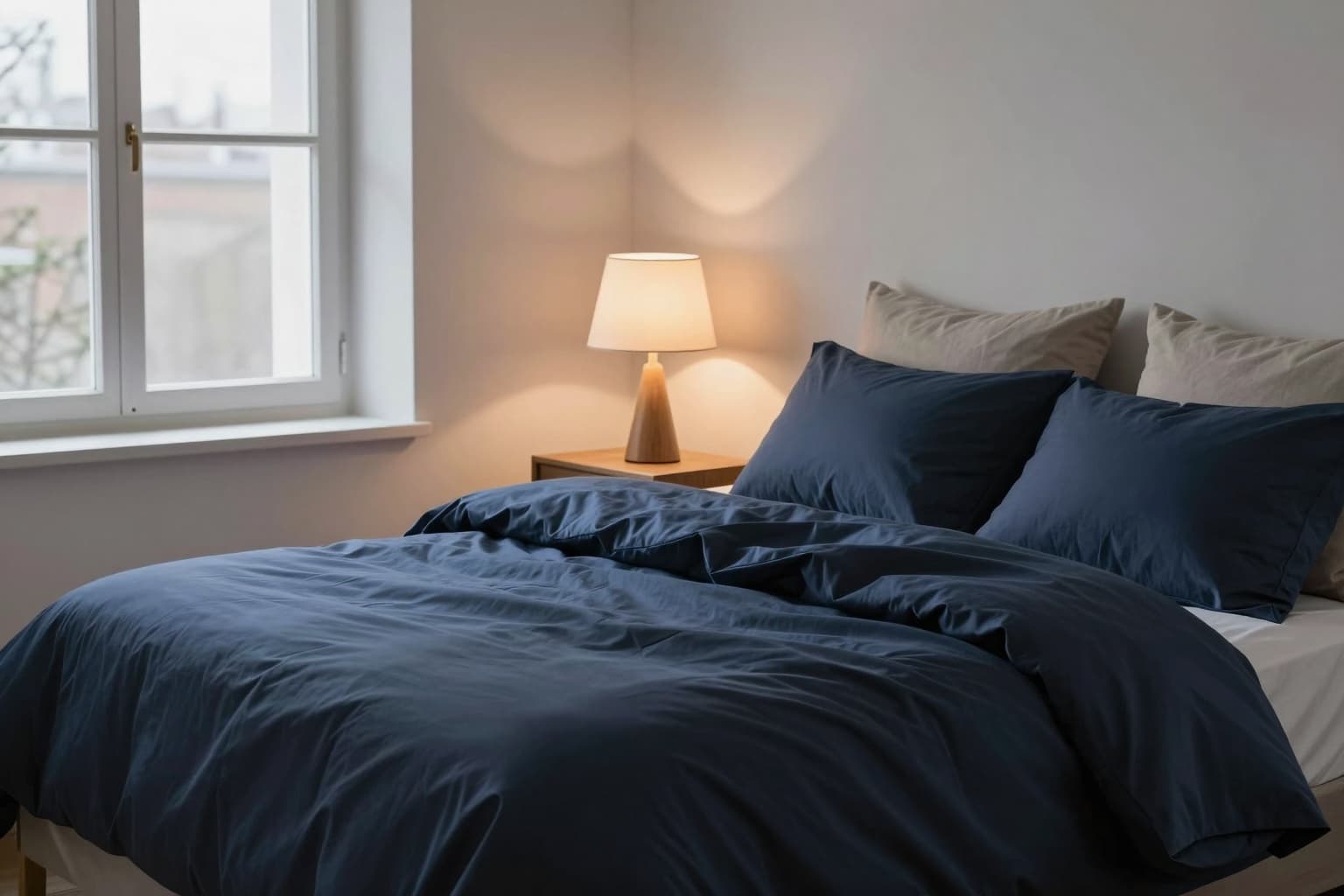
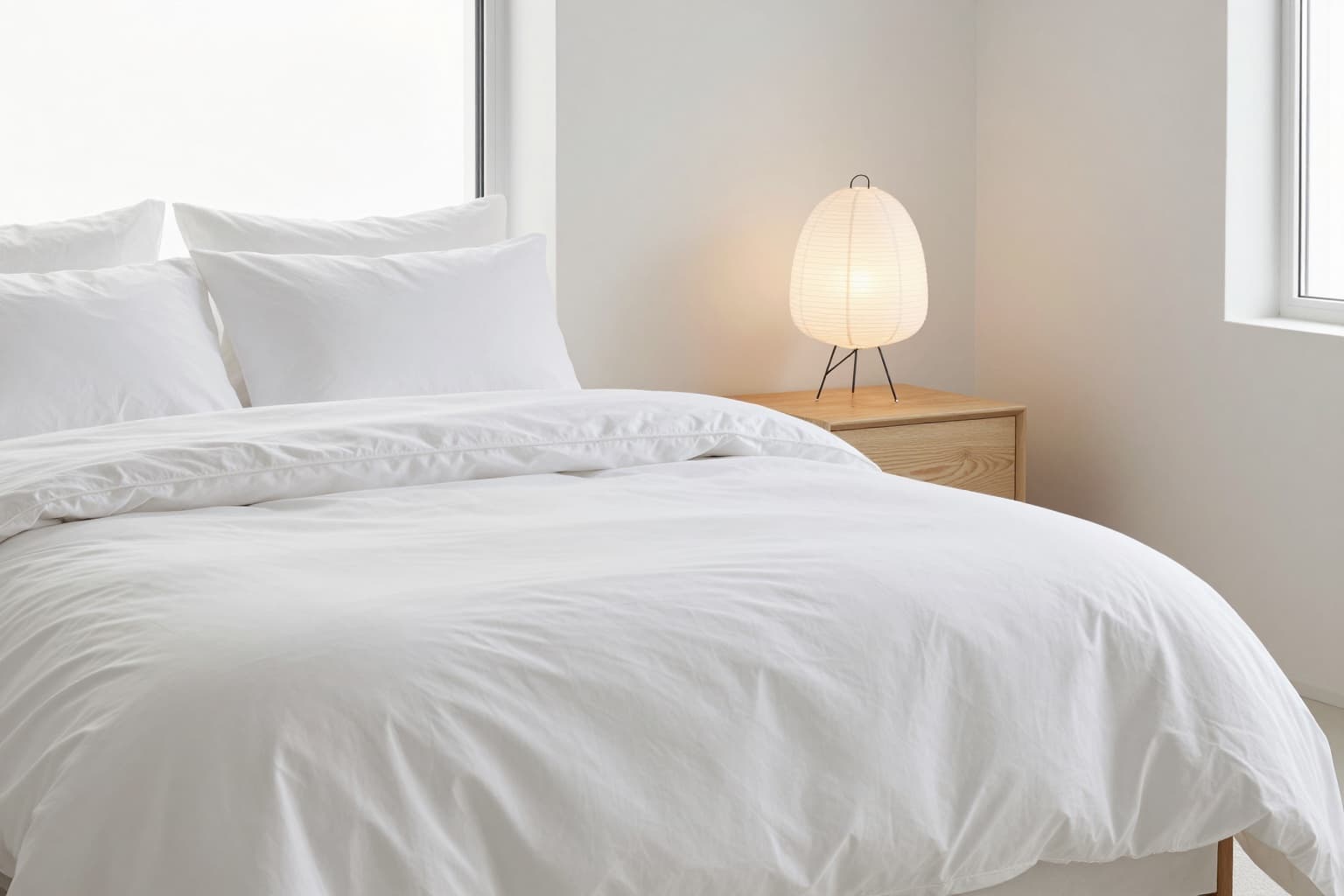
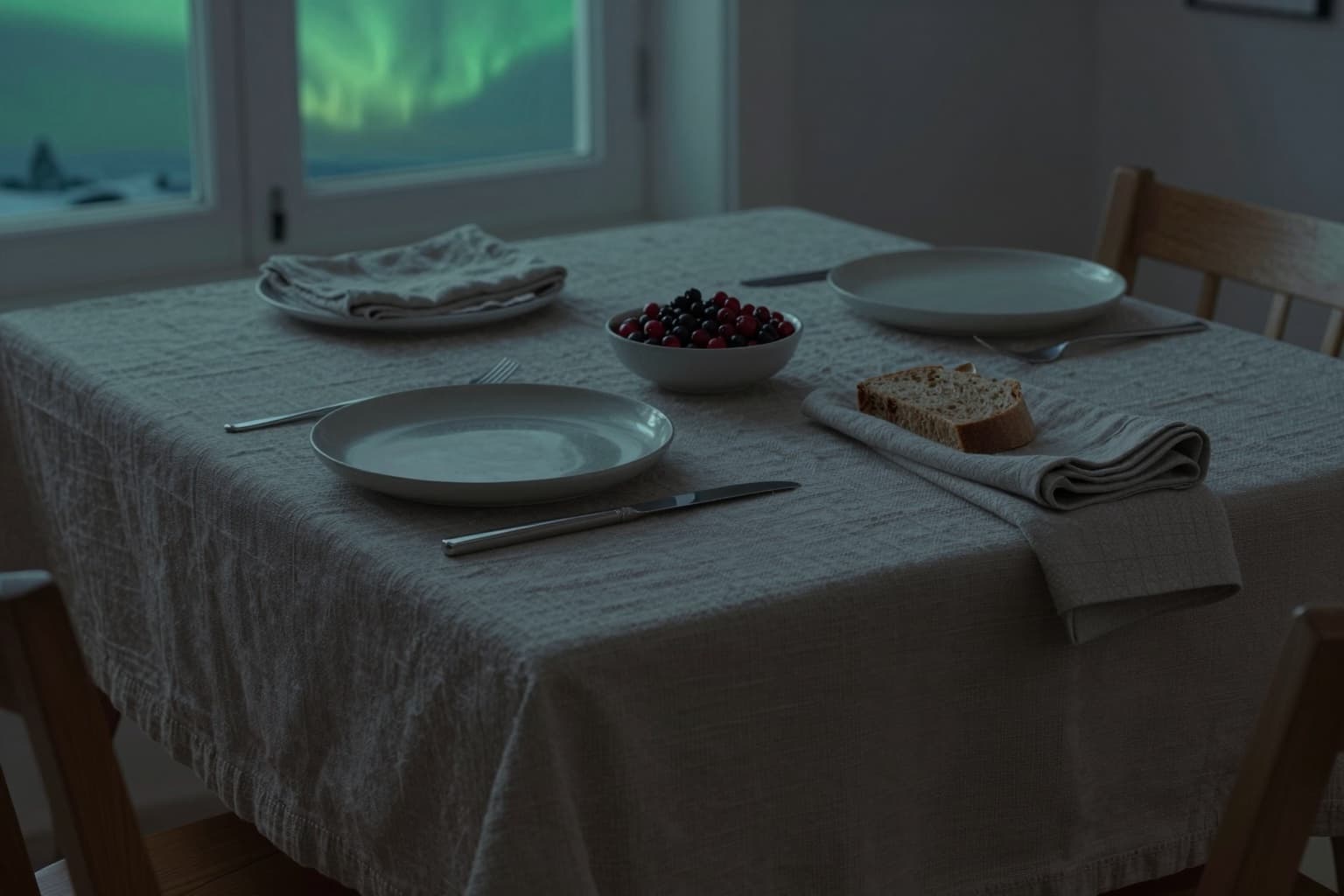
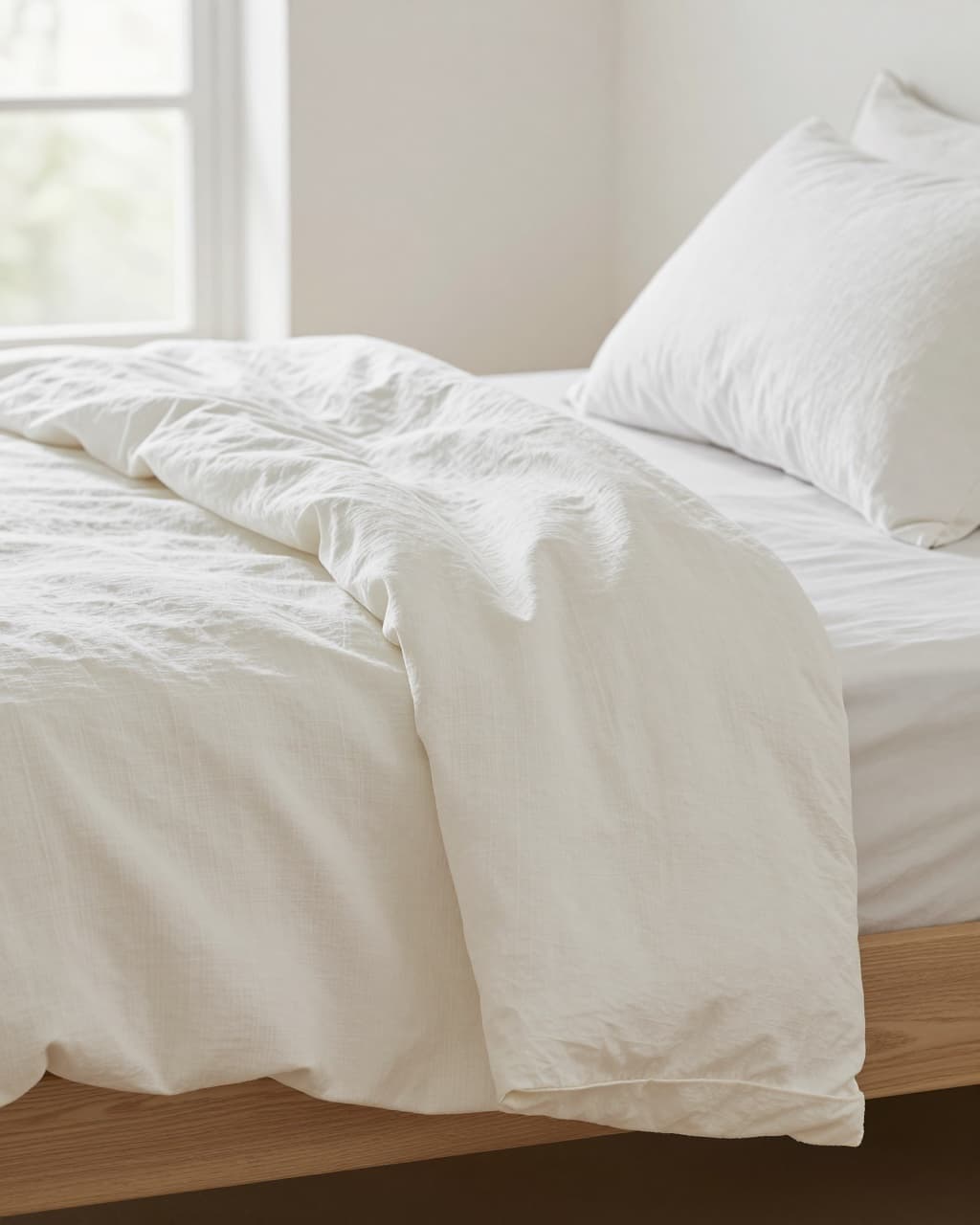
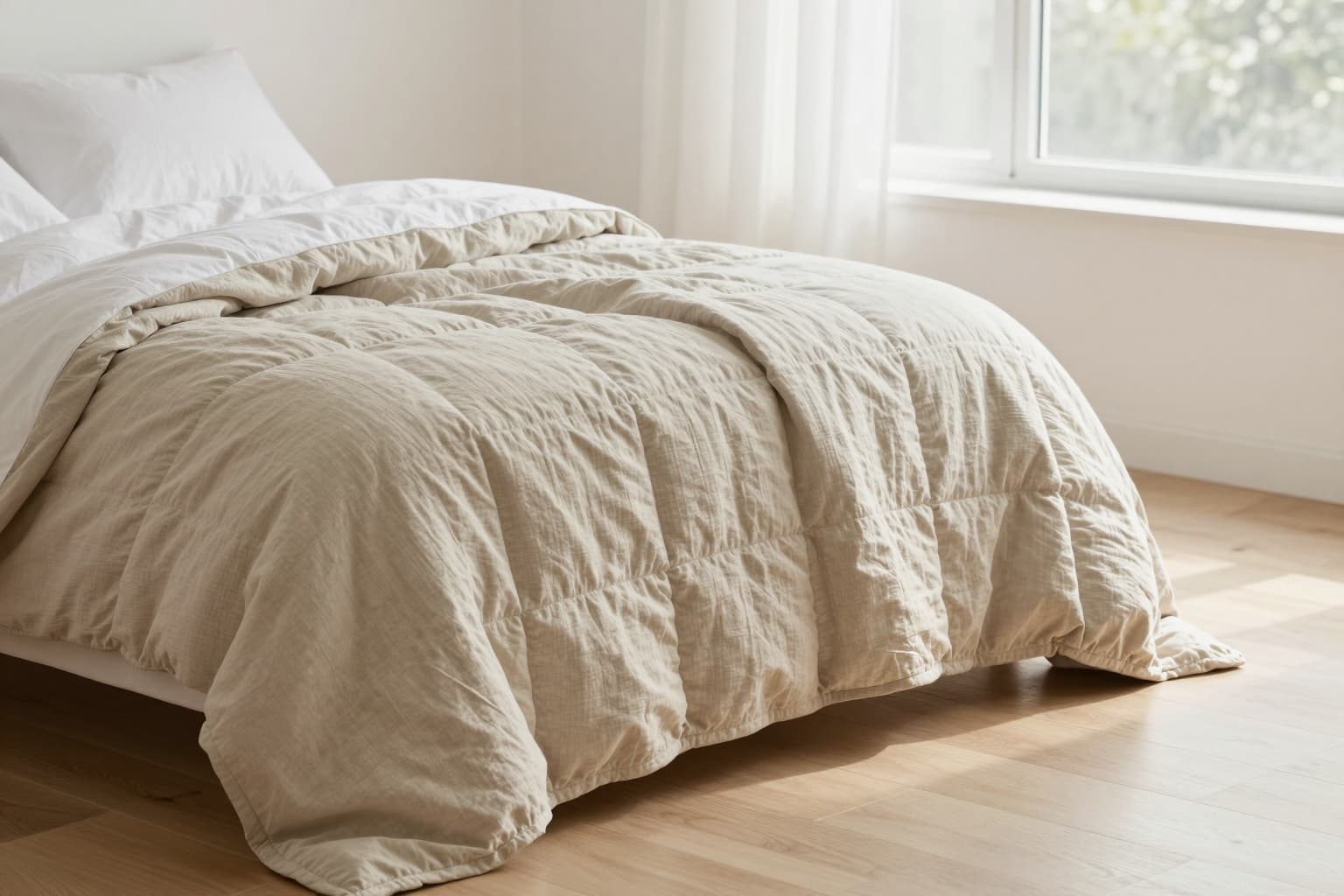
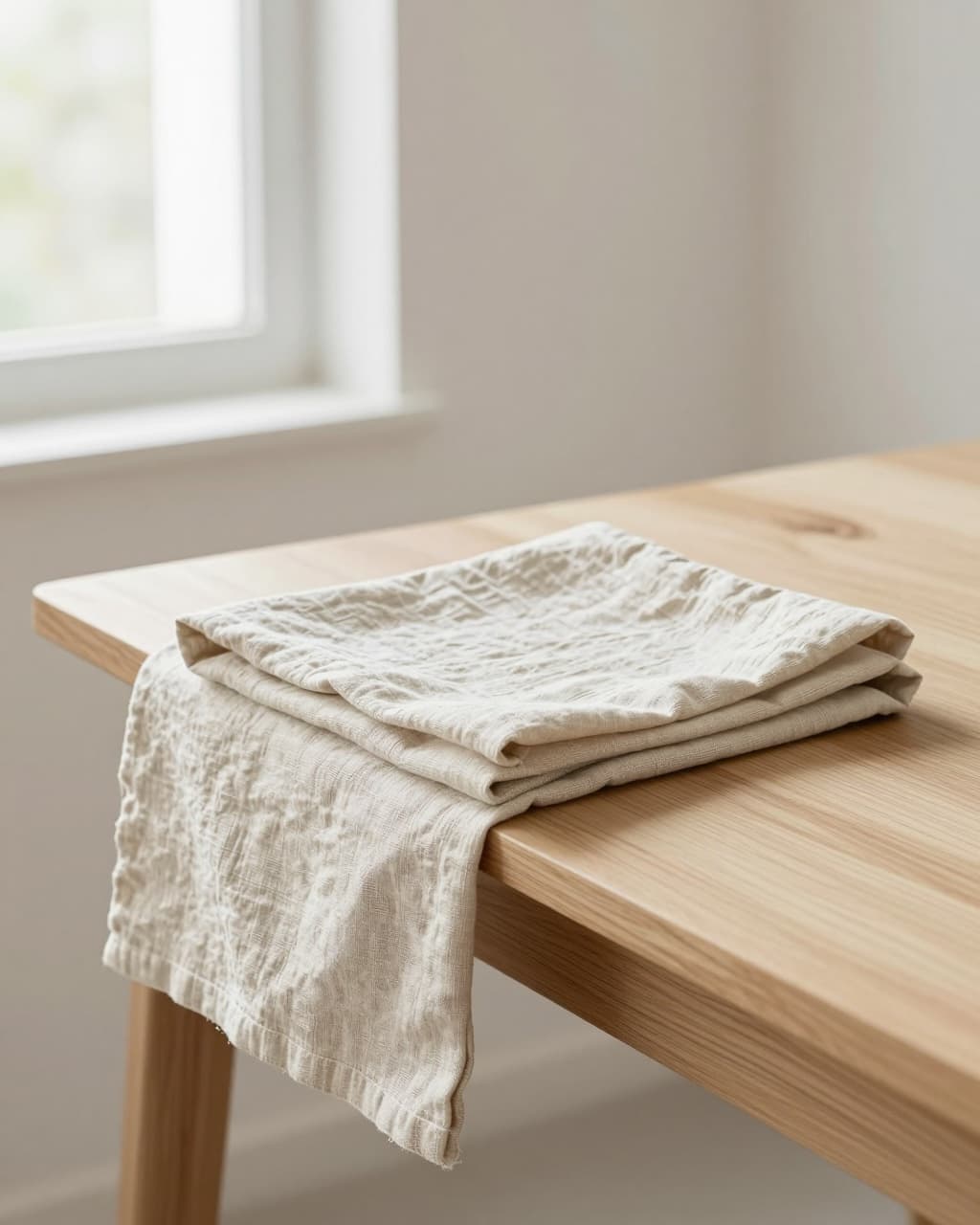
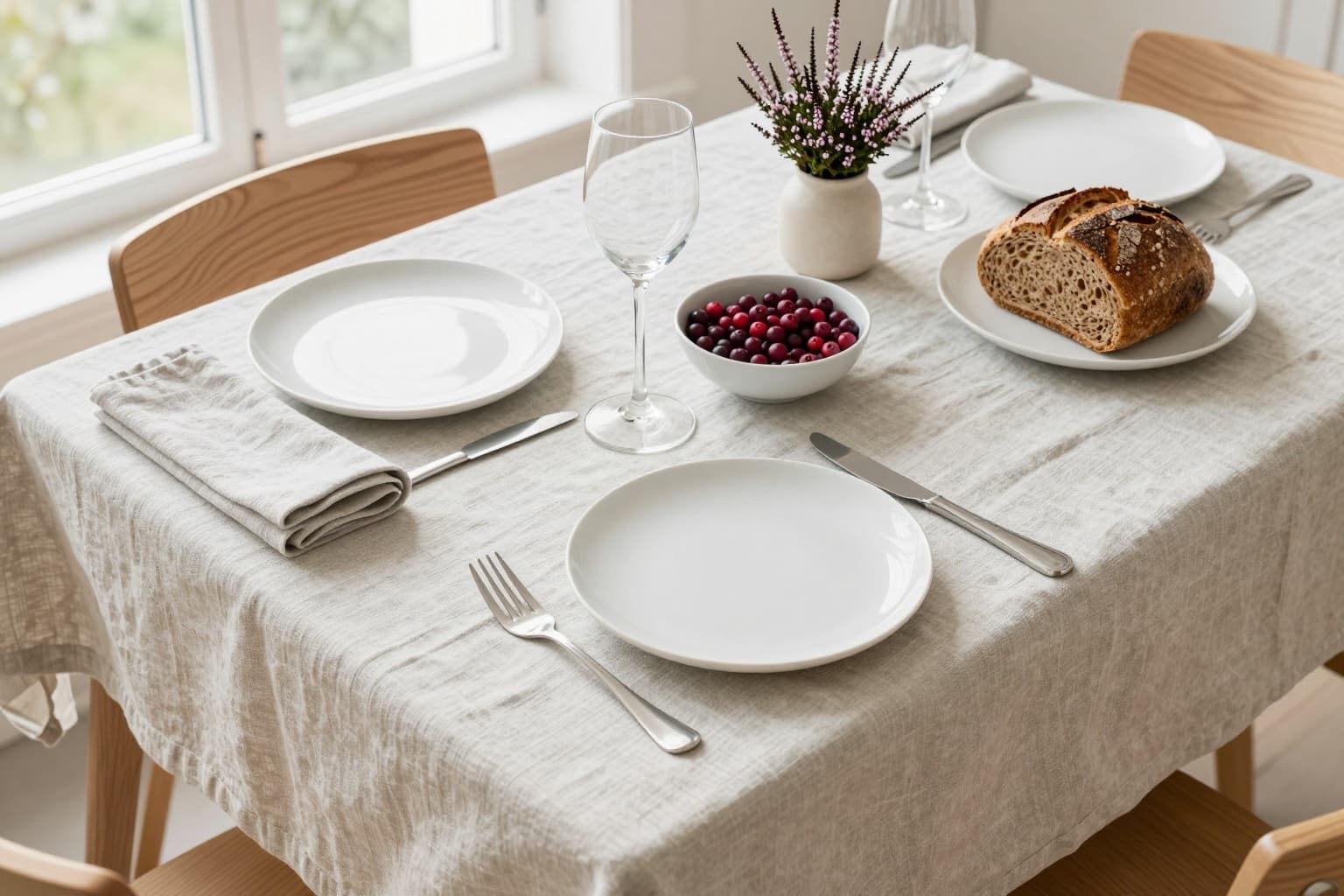
Washed linen is stone-washed 100% linen that is soft from the very first night. It breathes, moves moisture and evens out your temperature, so it is cool in summer and warm in winter. Our linen weighs 160 g/m², and it is woven and sewn in Lithuania. We use it for duvet covers, pillowcases, fitted sheets, bedding sets, a quilted bedspread and tablecloths. There are eight colours, and the fabric is certified to OEKO-TEX Standard 100. Wash it at 40°C, and it never needs ironing.
 Favourite
Washed linen · 8 colours
from €119.00
SetDuvet cover + 2 pillowcases
from €149.00
Washed linen · 8 colours
from €49.00
Washed linen · 8 colours
from €69.00
 −23 %
Washed linen · Kaura
from €169.00
Washed linen · Rohdin
from €89.00
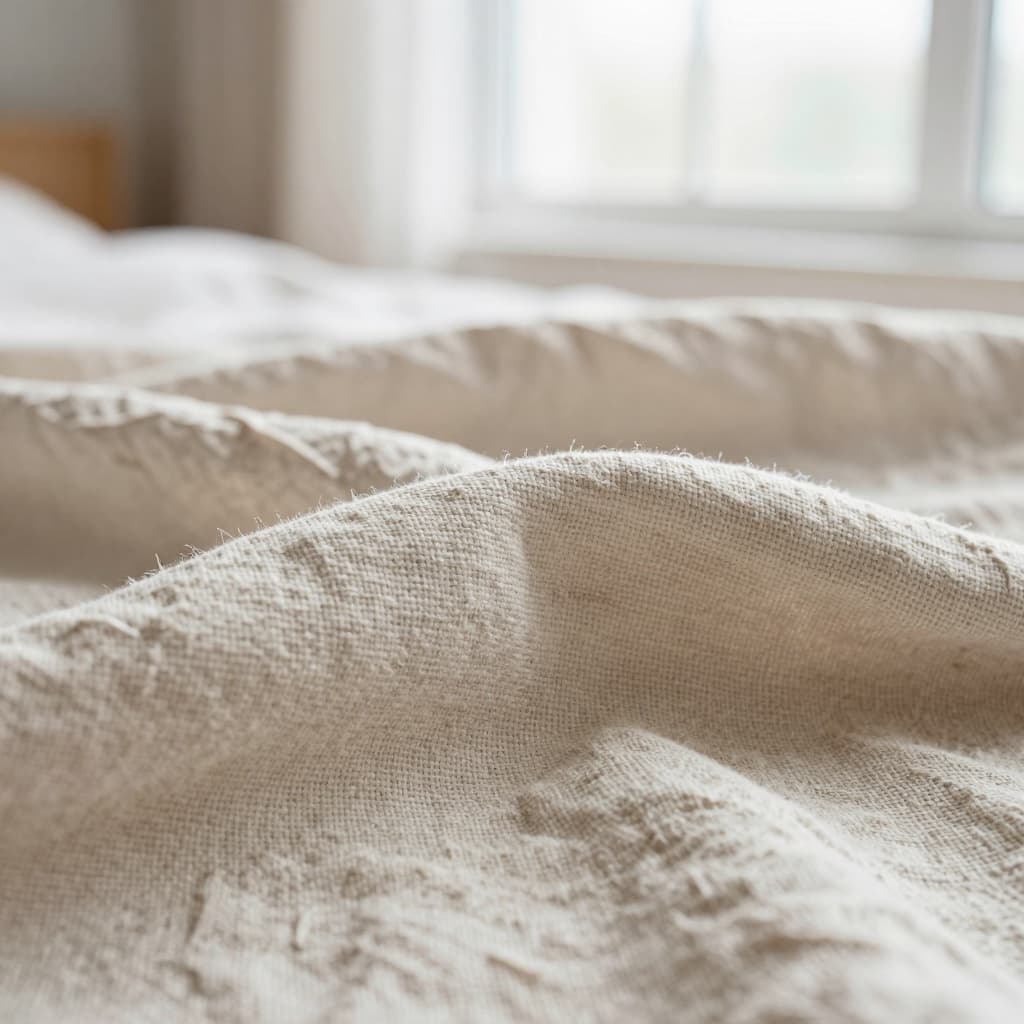
Linen is a natural fibre from the stem of the flax plant. Raw linen fabric is stiff and only softens after dozens of washes. Washed linen has been washed before sewing. Our fabric is stone washed: a turning drum and stones open up the fibres. The result is a fabric that is soft on the very first night, with the relaxed creases typical of linen. The process also pre-shrinks the fabric, so the finished product keeps its size.
Washed linen is slightly coarser on the skin than cotton, but it doesn't scratch. Many people describe it as cool and alive. Linen moves moisture away from your skin and dries quickly, so it doesn't feel clammy even if you sleep hot. In winter the same property evens out your temperature: linen isn't cold, even though it feels cool in summer. The fabric softens with every wash, which is why linen sheets feel better after years than when new.
One square metre of our linen weighs 160 grams. For bed linen that is a medium weight: dense enough to last years of use and not be see-through, but light enough for a duvet cover to drape over the duvet without feeling heavy. Lighter linens of around 120–140 g/m² feel airier but wear faster, and heavier ones are stiffer and dry more slowly. Linen is described by weight per square metre rather than thread count. Read why in the guide thread count.
We design our linen products in Helsinki. The fabric is woven and the products sewn in Lithuania, which has a long tradition of linen. The fabric is certified to OEKO-TEX Standard 100, which means it has been tested for harmful substances. Read more in our story.
Wash linen bedding in the machine at 40°C. If the bedding has been used during illness or you want a hotter wash, 60°C is fine. Use a mild detergent without bleach and don't overfill the drum. You don't need fabric softener, because linen softens by itself, and softener reduces its ability to move moisture. Line dry or tumble dry on low heat and take the bedding out while slightly damp. No ironing needed. Full instructions are in the guide how to wash linen.
Linen fibre is long and strong, and it is even stronger wet than dry. That is why a well-cared-for linen sheet easily lasts ten years. Worn linen gradually thins and softens as it does. The first sign of wear usually shows in the middle of the fitted sheet, where your skin rubs the fabric every night.
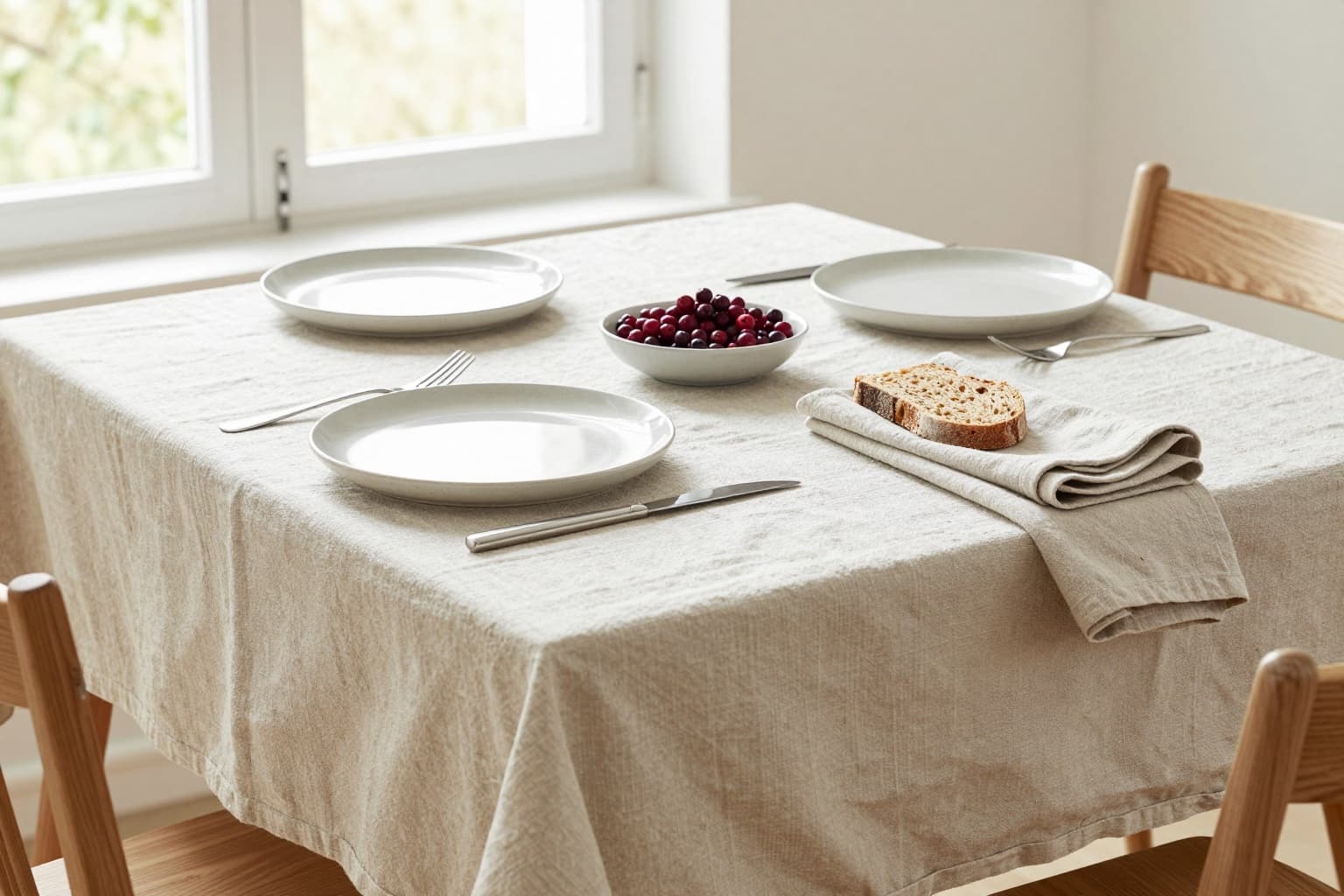
In washed linen we make duvet covers, fitted sheets, pillowcases, bedding sets, a quilted bedspread and tablecloths. There are eight colours: Kuura, Kaura, Rohdin, Jäkälä, Usva, Ruska, Kanerva and Kaamos. If you are deciding between linen and cotton, read our comparison.
Washed linen has been washed before sewing, so it is soft straight away and pre-shrunk. Unwashed linen is stiffer at first and shrinks in the first few washes.
Hardly at all, because the fabric is stone washed and pre-shrunk before sewing. Wash at 40°C and avoid hot tumble drying.
Linen fibre is long, so it pills less than many cottons. New linen can shed a little fibre in the first few washes.
Yes. Linen moves moisture away from your skin and dries quickly, so it feels drier than many cottons.
Growing flax, separating the fibre and weaving it take more work than cotton, and linen lasts longer in use.
Washed linen doesn't need ironing. If you want a smoother surface, iron it damp on the reverse side.
Explore